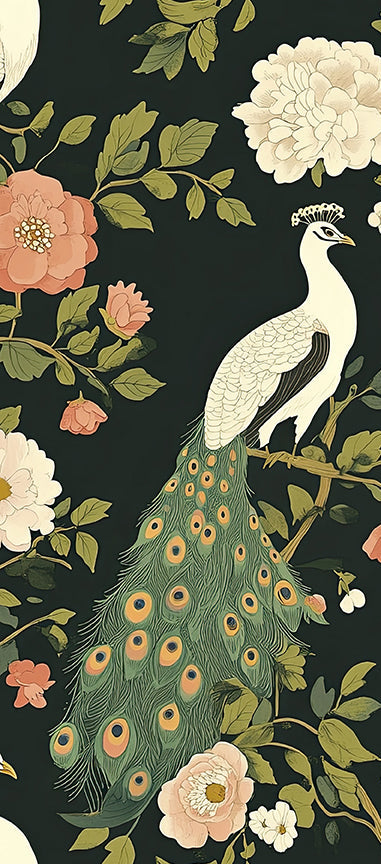



The Beginner’s Guide to Wallpaper: What You Need to Know Before You Buy
Shopping for wallpaper should feel exciting—not overwhelming. But if you’re new to it, the details can pile up quickly. Should you get peel-and-stick or traditional? How much wallpaper will you need? What does “pattern repeat” mean? Can wallpaper go in a bathroom? And what if you order the wrong amount?
Don’t worry. Once you know the basics, shopping for wallpaper is easy. Whether you want to tackle a bold powder room, cute bedroom accent wall, or an entire dining room, this beginner’s guide will walk you through everything you need to know so you can shop smart and avoid surprises.
We’ll cover wallpaper types, how to measure, pattern scale, installation options, where to use it in your home and helpful details that you should know before you order.
Why Wallpaper Is Worth Considering
When you think about it, paint is pretty logical. Wallpaper, on the other hand, brings a room pattern, movement, depth and personality that paint can’t. Think about how a room can look or feel romantic with floral wallpaper or modern with geometric shapes. Moody? Playful? Elegant? Completely custom? Yep, wallpaper can do that too.
Wallpaper is especially useful when you want to:
-
Create a statement wall
-
Add texture or visual interest
-
Make a small room feel intentional
-
Bring historic charm into a newer home
-
Add color without relying on furniture or artwork
-
Define a space in an open floor plan
A good wallpaper choice can make even a simple room feel designed.
Step 1: Familiarize Yourself with Common Wallpaper Types
Before you fall in love with wallcovering patterns, spend some time learning about material types. Your room, budget, DIY installation comfort level, and intentions around longevity will all play a part in the right type of wallpaper for you.
Peel-and-Stick Wallpaper
Peel-and-stick wallpaper has an adhesive backing, similar to a large removable sticker. You peel off the backing and apply it directly to a clean, smooth wall.
Best for:
-
Renters
-
DIY beginners
-
Accent walls
-
Nurseries and kids’ rooms
-
Seasonal or short-term updates
Pros:
-
Easier to install than traditional wallpaper
-
Removable in many cases
-
No paste required
-
Great for smaller projects
💡Things to know:
Peel and stick wallpaper works best on smooth, painted walls with no heavy texture. It may not adhere correctly to surfaces like raw drywall, heavily textured surfaces, uneven walls, or walls with damaged or chipping paint.
Traditional Paste Wallpaper
Traditional wallpaper is applied with wallpaper paste or adhesive. The paste is applied to either the wall or the back of the paper depending on the type you purchase.
Best for:
-
Long-term installations
-
Full rooms
-
Dining rooms, bedrooms, and formal spaces
-
More polished, professional-looking projects
Pros:
-
Often easier to reposition during installation
-
Can create a very seamless finish
-
Excellent for larger spaces
-
Long-lasting when installed correctly
💡Things to know:
Wallpaper usually requires more preparation and patience. Most people hire professionals to install wallpaper in full rooms, on ceilings, or with complex patterns.
Vinyl-Coated or Washable Wallpaper
Some wallpapers have a protective, vinyl coating or washable surfaces that makes them easier to wipe clean. This wallpaper type is ideal for high-touch areas in your home.
Best for:
-
Bathrooms with good ventilation
-
Kitchens
-
Laundry rooms
-
Kids’ spaces
-
Hallways and entryways
Pros:
-
More durable
-
Easier to clean
-
Better for high-traffic areas
💡Things to know:
Even washable wallpaper should not be treated like tile. Avoid soaking it, scrubbing aggressively, or installing it where it will have direct, constant water exposure.
Step 2: Decide Where You Want to Use Wallpaper
The room matters. A wallpaper that looks stunning in a powder room may feel too dramatic in a full bedroom. Before choosing a pattern, think about how the space is used.
Powder Rooms
Powder rooms are perfect for bold wallpaper. Because they’re small and used briefly, you can take bigger design risks with dark colors, metallics, large florals, damask, or Art Deco patterns.
Bedrooms
Bedrooms usually benefit from softer, more restful patterns. Florals, botanicals, subtle geometrics, toile, and tone-on-tone designs work beautifully behind a bed or throughout the full room.
Dining Rooms
Dining rooms can handle drama. Rich colors, damask, mural-style patterns, and Art Deco designs can make the room feel more intimate and elevated, especially with warm lighting.
Entryways
An entryway sets the tone for the entire home. Wallpaper here can create a memorable first impression without requiring a huge amount of material.
Kids’ Rooms and Nurseries
Choose patterns that can grow with the child. Instead of overly specific themes, consider animals, stars, botanicals, soft geometrics, or storybook-inspired designs in flexible palettes.
Step 3: Learn How to Measure for Wallpaper
Measuring is one of the most important parts of buying wallpaper. Guessing can lead to ordering too little—or spending more than necessary.
Start by measuring:
-
Wall width
-
Wall height
-
Number of walls being covered
-
Doors, windows, and large openings
-
Ceiling height variations, if any
Multiply the width by the height to estimate square footage, but don’t stop there. Wallpaper isn’t ordered like paint. Pattern repeat, trimming, and matching all affect how much you need.
Always Account for Extra
It’s smart to order extra wallpaper for:
-
Pattern matching
-
Mistakes during installation
-
Future repairs
-
Corners and trimming
-
Batch consistency
A general rule is to add at least 10% extra, and sometimes more for large-scale or complex patterns.
Step 4: Understand Pattern Repeat and Scale
This is where many beginners get surprised.
Pattern Repeat
Pattern repeat refers to how often the design repeats vertically or horizontally. A small repeat may be easier to match and produce less waste. A large repeat can be stunning, but it often requires more material to align the design correctly.
Pattern Match
Different wallpapers align in different ways:
-
Straight match: The design lines up at the same height across panels.
-
Drop match: The design shifts down with each panel, creating a staggered effect.
-
Random match: The pattern does not need exact alignment.
If you’re new to wallpaper, straight match or smaller-scale repeats are often easier to work with.
Pattern Scale
Scale refers to the size of the design itself.
-
Small-scale patterns feel subtle and textured.
-
Medium-scale patterns are versatile and easy to use in most rooms.
-
Large-scale patterns create drama and work well on feature walls or in rooms with enough space to appreciate the design.
A common mistake is choosing a pattern that looks beautiful up close but feels too busy once repeated across a full wall. Ordering a sample can help prevent that.
Step 5: Always Order a Sample First
Wallpaper can look different on a screen than it does in your home. Lighting, wall color, furniture, flooring, and even the direction your room faces can change how a pattern appears.
A sample lets you test:
-
Color accuracy
-
Texture
-
Finish or sheen
-
Pattern scale
-
How it looks in morning and evening light
-
How it pairs with your furniture and fabrics
Tape the sample to the wall and live with it for a few days. Look at it during different times of day before deciding.
Step 6: Consider Wall Condition
Wallpaper will adhere best to and look its best on walls that are smooth, clean and properly prepared.
Before installation, check for:
-
Peeling paint
-
Dust or residue
-
Holes or dents
-
Orange peel or heavy texture
-
Moisture issues
-
Old wallpaper backing
For the best result, your walls should be patched, sanded, cleaned and primed. This is not the glamorous part of installing wallpaper but it can make a tremendous difference in both the application of your wallpaper and the finished look.
Heavily textured walls may require skim coating or liner paper before hanging wallpaper.
Step 7: Choose the Right Installation Approach
Some projects are easy DIY jobs. Others are worth hiring out.
Good Beginner DIY Projects
-
Small accent walls
-
Closet interiors
-
Bookcase backs
-
Nursery feature walls
-
Peel-and-stick powder room accents
Projects That May Need a Professional
-
Full rooms
-
Ceilings
-
Stairways
-
Large-scale murals
-
Expensive wallpaper
-
Complex pattern repeats
-
Rooms with many corners, windows, or built-ins
A professional installer can be especially helpful when the wallpaper pattern requires precise alignment.
Step 8: Plan the Room Around the Wallpaper
Wallpaper should feel connected to the rest of the room. Before buying, think about how it will work with:
-
Flooring
-
Trim color
-
Furniture finishes
-
Lighting
-
Rugs
-
Curtains
-
Bedding
-
Artwork
-
Hardware and metals
A simple way to create cohesion is to pull two or three colors from the wallpaper and repeat them in the room. For example, if a botanical wallpaper includes sage, cream, and blush, you might choose cream curtains, a sage throw, and blush-toned pillows.
You don’t need everything to match perfectly. In fact, rooms feel more elevated when they coordinate rather than match exactly.
Step 9: Don’t Forget Lighting
Lighting can drastically affect the appearance of wallpaper.
Cooler bulbs make spaces feel crisp and cool, while warmer bulbs make rooms feel cozy and more flattering. If your wallpaper features gold, blush, terracotta, cream or rich jewel tones, it will most likely look better under warm lighting.
For dramatic wallpaper, consider:
-
Wall sconces
-
Picture lights
-
Lamps with fabric shades
-
Dimmers
-
Mirrors to reflect light
Good lighting helps wallpaper feel intentional rather than overpowering.
Step 10: Know What to Expect After Installation
After wallpaper is installed, give it time to settle. Tiny bubbles may relax as adhesive dries, depending on the type. Avoid heavy cleaning right away.
For care:
-
Dust gently with a soft cloth
-
Wipe washable wallpaper lightly when needed
-
Avoid harsh chemicals
-
Keep bathrooms ventilated
-
Save extra wallpaper for future touch-ups
If you ordered extra wallpaper, store it rolled in a dry, temperature-stable place.
Common Beginner Mistakes to Avoid
-
Skipping the sample
-
Ordering based only on square footage
-
Forgetting pattern repeat
-
Underestimating wall texture
-
Choosing a pattern that fights with existing furniture
-
Using bold wallpaper without proper lighting
-
Trying a difficult full-room install as a first DIY project
-
Not ordering extra material
-
Assuming all wallpapers are equally washable or removable
The more you know before buying, the better your finished room will look..
Final Takeaway
Wallpaper is one of the most transformative design choices you can make. It can turn a plain room into a polished space, add personality to a small corner, or create a memorable first impression the moment someone walks through the door.
For beginners, the key is to slow down before buying. Learn the material options. Measure carefully. Order a sample. Think about pattern scale, lighting, wall condition, and how the wallpaper will work with the rest of your room.
Once those pieces are in place, wallpaper becomes much less intimidating—and a lot more fun.
Explore the full wallpaper collection at Wall Artifacts to find a design that fits your home, your style, and the kind of room you want to create.
FAQ: Beginner Wallpaper Questions
How do I know how much wallpaper to order?
Measure the height and width of each wall, then factor in pattern repeat, trimming, and matching. Always order extra—usually at least 10% more—to allow for mistakes, future repairs, and pattern alignment.
Is peel-and-stick wallpaper easier than traditional wallpaper?
For many beginners, yes. Peel-and-stick wallpaper does not require paste and is often easier for small projects. Traditional wallpaper may be better for larger or long-term installations because it can offer more adjustment time during application.
Can wallpaper go in a bathroom?
Yes, wallpaper can work beautifully in bathrooms, especially powder rooms. Choose a durable or washable material, avoid direct water exposure, and make sure the room has good ventilation.
Should I wallpaper all four walls or just one?
It depends on the room and pattern. Bold designs often work well as a feature wall, while subtle patterns can wrap an entire room beautifully. Small rooms like powder rooms can often handle more drama than expected.
Do I really need to order a wallpaper sample?
Yes. A sample helps you see the true color, finish, scale, and texture in your own lighting. It’s one of the best ways to avoid disappointment before placing a larger order.